
Custom Web Development &
Digital Flagship Engineering

Bespoke Websites and
High-Conversion Flagships

Websites are not brochure pages—they are interactive software systems that define how clients, investors, and buyers perceive your organization. As a dedicated custom web development studio, we engineer bespoke digital flagships, editorial brand platforms, and high-conversion marketing websites with clean Next.js architecture, responsive layouts, and disciplined frontend performance.

Every line of code is purposeful: no bloated third-party plugins, no unmaintained dependencies, and no compromises on accessibility. We bridge high-concept editorial aesthetics with robust engineering to build custom web platforms that endure, convert, and scale. Looking to engineer an authenticated SaaS platform, internal operations tool, or interactive client portal instead? Explore our dedicated Web Application Development capabilities.

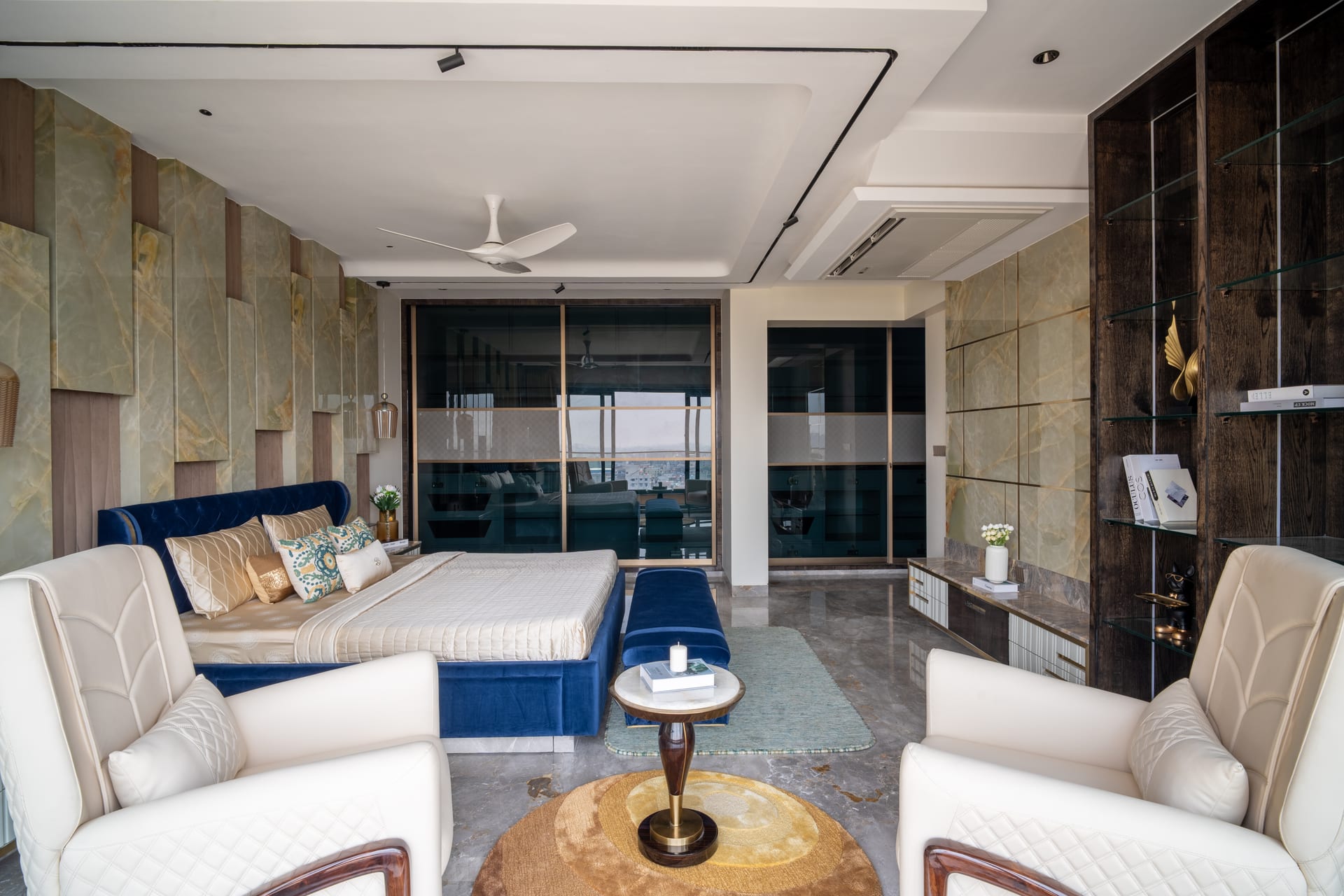
Explore Kala Design Co Architectural Flagship → Explore Decor Lab Parametric Studio →
Next.js & React TypeScript Headless CMS Performance-Focused GSAP Motion Core Web Vitals

Custom Websites & Digital Flagships

Tailored digital experiences built to elevate brand perception, communicate complex value propositions, and drive commercial conversion without theme constraints:

• Corporate websites: Institutional flagships built for venture firms, modern enterprises, and technology leaders.
• Marketing websites: Conversion-engineered landing systems with fluid layouts and high-speed delivery.
• Editorial & content platforms: Publications and resource hubs powered by decoupled headless CMS content models (What is Editorial Engineering? →).
• Brand-led digital experiences: Immersive storytelling platforms featuring interactive micro-interactions and smooth kinetic motion.

Custom Web Applications

Resilient, production-ready web application development engineered for interactive workflows, business logic, and authenticated users:

• SaaS interfaces: Intuitive software frontends with responsive states, multi-step onboarding, and clean component systems.
• Interactive dashboards: High-performance analytical surfaces and reporting interfaces built with real-time reactivity.
• Client portals: Secure user accounts with document access, project status tracking, and multi-tenant isolation.
• Internal tools & business applications: Operational workflow utilities, automated administrative interfaces, and team management platforms (with optional integration for AI automation and background task orchestration).
• Authenticated workflows: Secure permission tiers, role-based access control (RBAC), and session security.
Kala Design Co
Architecture · Interiors

Kala Design Co

Editorial digital flagship for a turnkey architecture and interior studio, celebrating 1.5M+ sq. ft. of luxury residential and commercial spaces.

Decor Lab
Parametric Architecture Studio

Decor Lab

Next.js digital experience for a 33-year Indian architecture studio, featuring fullscreen video hero kinematics and fluid parametric showcases.

Urbanland Products
B2B Product Catalogue

Urbanland Products

Architectural outdoor furniture catalogue and quote-driven RFP specification engine engineered for landscape architects and municipal contractors.

BAZZARO
D2C Brand · E-Commerce

BAZZARO

D2C artistic canvas tote brand built on Next.js App Router, featuring editorial lookbooks, curated collections, and a reactive slide-out cart drawer.

When Existing Platforms Are the Best Choice

We do not believe custom code is universally necessary. Established platforms like WordPress, Shopify, or Webflow are proven, cost-effective solutions when their core models and plugin ecosystems naturally fit your operational needs (and for existing WordPress platforms experiencing security issues, we provide targeted WordPress security and malware removal). If your requirements are met by standard e-commerce carts, proven marketing templates, or straightforward publishing workflows, choosing an established platform saves time and capital.

When Bespoke Engineering Becomes Essential

Custom web development and bespoke web development become essential when your organization outgrows template architectures. If you require specialized user flows, proprietary pricing or calculation logic, strict data security standards, deep multi-system API orchestration, or high-performance frontend interactivity that standard site builders cannot support without compounding technical debt, custom architecture delivers lasting reliability.

Platform Migrations & Staged Cutovers: When migrating an established platform from legacy CMS or monolithic architectures to modern custom code, we follow a disciplined protocol. We map comprehensive 301 redirect trees to preserve legacy URL structures, audit and retain structured data schema, and execute staged cutover testing under load to protect business continuity during DNS transition.

End-to-End Type Safety & Clean State Flow

Strict TypeScript contracts spanning frontends, API routes, and database models. Strongly typed schemas eliminate runtime data anomalies, catch interface mismatches during development, and provide self-documenting codebases. For an architectural blueprint on separating local UI state from server data access, see our guide on Next.js State Management & API Boundaries.

Security Baseline & Session Hygiene

Implementation aligned with standard OWASP engineering principles: secure cookie session handling, environment secret isolation, input sanitization, and strict CORS policies. We protect application endpoints from common injection and cross-site vulnerabilities.

Structured Data & Caching Architecture

Relational data models (such as PostgreSQL) configured with connection pooling, efficient query indexing, and caching layers where latency demands it. Frontends are engineered with performance-conscious rendering strategies to maintain responsive interactions, detailed in our deep-dive on Next.js Performance Architecture.

Maintainable Component Systems & Clean Code Handoff

Modular, framework-native component design with minimal external dependencies. We design strict rendering boundaries between server-side data fetching and client-side interactivity—read our technical guide on Next.js Server vs Client Components. Codebases are organized into clean directory hierarchies, documented thoroughly, and delivered via private Git repositories without proprietary vendor lock-in.

Read: Webflow vs Custom Development — When Ambitious Brands Need to Graduate to Code →

Architectural Guide: Custom Web Development vs No-Code — Decision Matrix, Scaling Limits, and Migration →

01. Technical Discovery & System Architecture

We begin with a technical audit of your functional requirements, content workflows, and integration boundaries. We define the system architecture, determine whether static generation (SSG) or server-side rendering (SSR) is optimal for specific routes, and map data contracts prior to writing production code.

02. Schema Design & Interface Prototyping

We establish strongly typed data models, database schemas, and content structures alongside component interface prototypes. This aligns design fidelity with technical constraints early, verifying state handling, routing, and user interaction flows before full integration.

03. Iterative Full-Stack Development

Frontends and application logic are built in structured milestones using Next.js and TypeScript. We implement modular component systems, integrate backend APIs and secure webhooks, and deliver working previews in isolated staging environments for stakeholder review.

04. Security Hardening & Performance QA

Before deployment, each system undergoes comprehensive quality assurance: Core Web Vitals profiling, cross-browser verification, session hygiene checks, and security reviews covering OWASP baselines, input validation, and header configurations.

05. Production Deployment & Repository Handoff

We orchestrate production deployment through automated CI/CD workflows, configure DNS and edge caching, verify 301 redirects, and conduct live smoke tests. Upon project completion, we transfer complete repository ownership, clean documentation, and deployment credentials to your team.
CORE 01

Application Layer: Next.js, React & TypeScript

Modern Next.js development with React components, strict type-safety, and hybrid rendering strategies including static generation (SSG) and server-side rendering (SSR) suited to each route. Read our technical deep-dives on Next.js Server vs Client Components and State Management & API Boundaries.
Application Layer
CORE 02

Content Layer: Decoupled Headless CMS

Decoupled content platforms providing structured editorial workflows while leaving frontend presentation fully unconstrained.
Content Model
CORE 03

Data Layer: APIs, Relational Databases & Integrations

Robust REST and webhook endpoints, relational databases (PostgreSQL), payment gateway flows, and secure API integrations with webhook verification.
Data Layer
CORE 04

Infrastructure: Deployment & CI/CD

Global edge delivery via Vercel and cloud edge delivery with automated CI/CD deployment workflows, staging environments, and monitored serverless workloads.
Infrastructure

Performance-Focused Engineering

Disciplined asset hygiene, critical resource prioritization, server-side streaming, and proactive optimization following our Next.js Performance Architecture & Core Web Vitals patterns built directly into the engineering foundation.

Semantic & Accessible Structure

Accessible HTML5 markup adhering to WCAG guidelines, proper semantic heading hierarchies, full keyboard navigability, and thoughtful screen reader support.

Technical SEO & Discoverability

Clean canonical URLs, structured JSON-LD schema, dynamic OpenGraph metadata, and crawler-friendly rendering for search indexation and modern AI search optimization.

Maintainability & Dependency Hygiene

Modular component structures, typed contracts, minimal dependency footprints, and thoroughly documented codebases that your internal teams can maintain.

// 01 How much does custom web development cost?

Investment depends on architectural scope, design fidelity, custom features, and backend integrations. Focused corporate flagships and editorial marketing sites typically range from lower-to-mid five figures, whereas complex bespoke web applications involving authentication, dashboards, and third-party API orchestration require greater investment. We provide transparent, milestone-scoped proposals after technical discovery.

// 02 When should I choose custom development instead of WordPress, Shopify, or Webflow?

If your project requirements are fully covered by standard platform features, established plugins, or theme frameworks, WordPress, Shopify, or Webflow can be practical and cost-effective choices. Custom development is ideal when you need distinctive interface design, specialized business logic, proprietary web application workflows, deep multi-system API integrations, or total ownership of the underlying technical architecture.

// 03 Can you migrate an existing website or platform to a modern custom architecture?

Yes. We regularly handle architectural migrations from monolithic CMS setups to modern Next.js and headless stacks. Our migration protocol prioritizes 301 redirect mapping, content model translation, structured schema retention, and staged cutover testing designed to minimize operational disruption during DNS transitions.

// 04 Can you build a full custom web application?

Yes. In addition to content-led corporate websites, we engineer full-stack web applications including SaaS interfaces, analytics dashboards, client portals, internal tools, and authenticated workflow platforms using Next.js, Node.js, and relational databases.

// 05 Can you integrate existing APIs, databases, and third-party systems?

Yes. We frequently connect custom web platforms with third-party systems including REST and webhook APIs, enterprise databases like PostgreSQL, verified payment gateways, headless CMS platforms, CRM backends, and internal legacy services.

// 06 What technology stack do you use?

Our primary production stack is centered on Next.js, React, TypeScript, and Node.js. Depending on your operational requirements, we integrate decoupled headless CMS platforms, robust database layers (such as PostgreSQL), and reliable cloud edge infrastructure (Vercel and modern cloud hosting).

// 07 Who owns the source code upon project delivery?

You own 100% of the intellectual property, code repositories, design files, and documentation created for your project upon milestone settlement. We hand over clean, well-documented Git repositories with no proprietary vendor lock-in.

// 08 Do you provide post-launch maintenance, security, and ongoing support?

Yes. We offer structured retainer arrangements for post-launch maintenance, covering framework version upgrades, security monitoring, infrastructure scaling, performance audits, and continuous feature enhancements.
" built for the future (now) "
ENGINEERED ELEGANCE

BUILD A DIGITAL FLAGSHIP
THAT OUTPERFORMS THE
COMPETITION

IMPACT BY DESIGN